

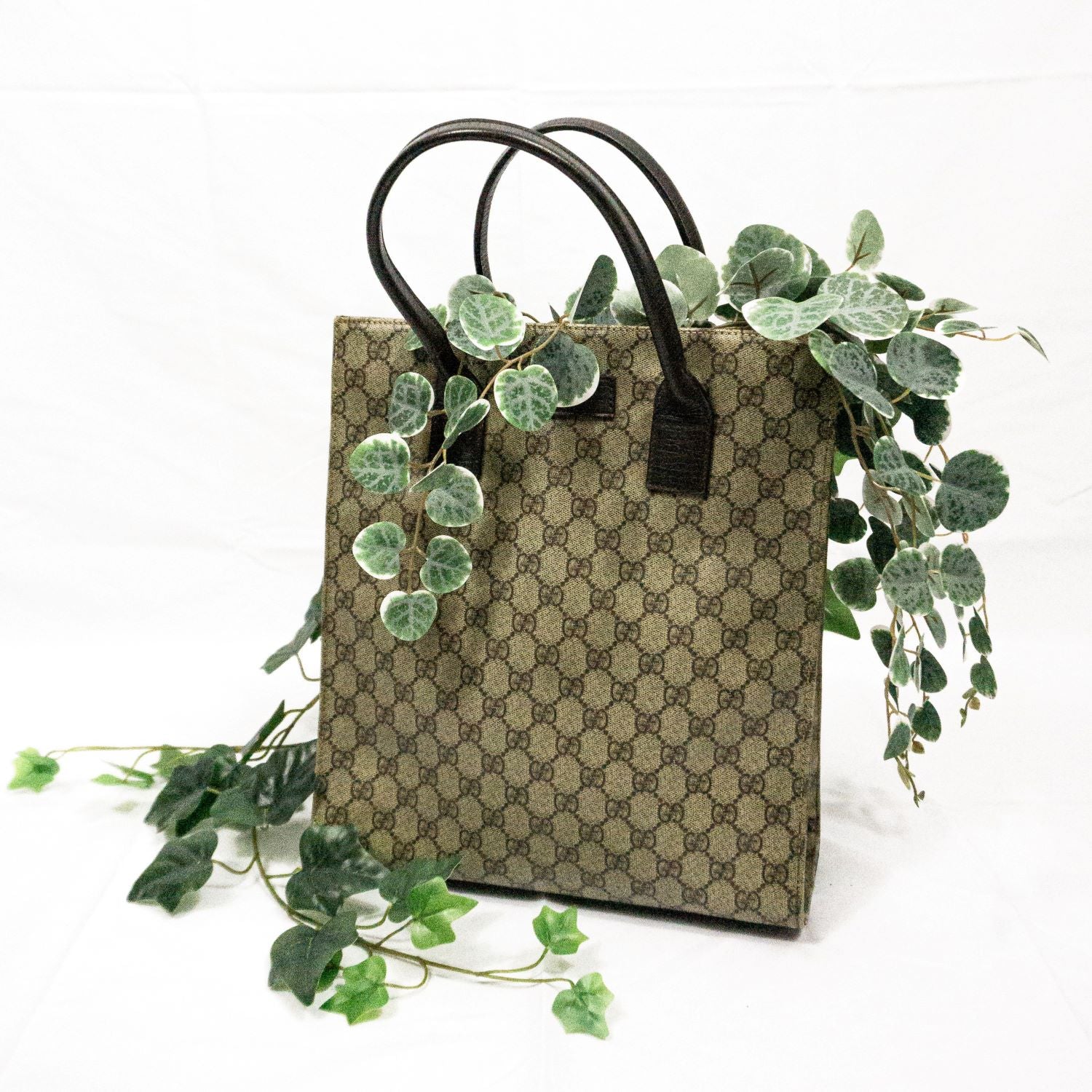
Sustainability in Fashion: The Importance of Second-Hand Clothing
The fashion industry has a waste problem. For years, unsold goods were simply destroyed – out of fear of price erosion, for convenience, because it was cheaper than storing them. Since July 2026, this will no longer be the case in the EU.
This makes an argument official that second-hand has always made: the most sustainable piece of clothing is the one that already exists.
New since July 2026: The EU bans the destruction of unsold fashion items
With the EU Ecodesign Regulation (ESPR), a ban on the destruction of unsold textiles has been in effect since July 19, 2026. Large companies are no longer allowed to simply dispose of clothing, accessories, shoes, and returns.
| Point | What applies |
|---|---|
| Since when | July 19, 2026 |
| Who it affects | Large companies – with 250+ employees and over €50 million turnover |
| What is prohibited | The destruction of unsold clothing, accessories, shoes, and returns |
| What instead | Reselling, donating, reusing or refurbishing – goods must be offered for donation for at least eight weeks |
| Transition periods | Medium-sized companies have until 2030, micro-enterprises are exempt |
| Penalties | Up to €100,000 |
Source: Federal Ministry for the Environment, Nature Conservation, Nuclear Safety and Consumer Protection
What the EU now mandates, second-hand has always done: keeping things in circulation instead of throwing them away.
What exactly is second-hand clothing?
Second-hand means: A piece gets a second life instead of an end. With bags, this idea is particularly obvious – a well-made leather bag lasts for decades, often longer than any fashion for which it was once bought.
You can find our authenticated second-hand designer bags here
Why second-hand is sustainable
- Waste reduction: Every vintage piece bought is one that doesn't end up in landfill – and one less that needs to be newly produced.
- Less resource consumption: Production costs water, energy, and chemicals. For a bag that already exists, these costs have long been paid.
- No exploitation through new production: Buying used means not funding new production chains with questionable working conditions.
- Better quality for the money: Vintage designer pieces are often more solidly crafted than cheap new goods – and cost a fraction of the current new price.
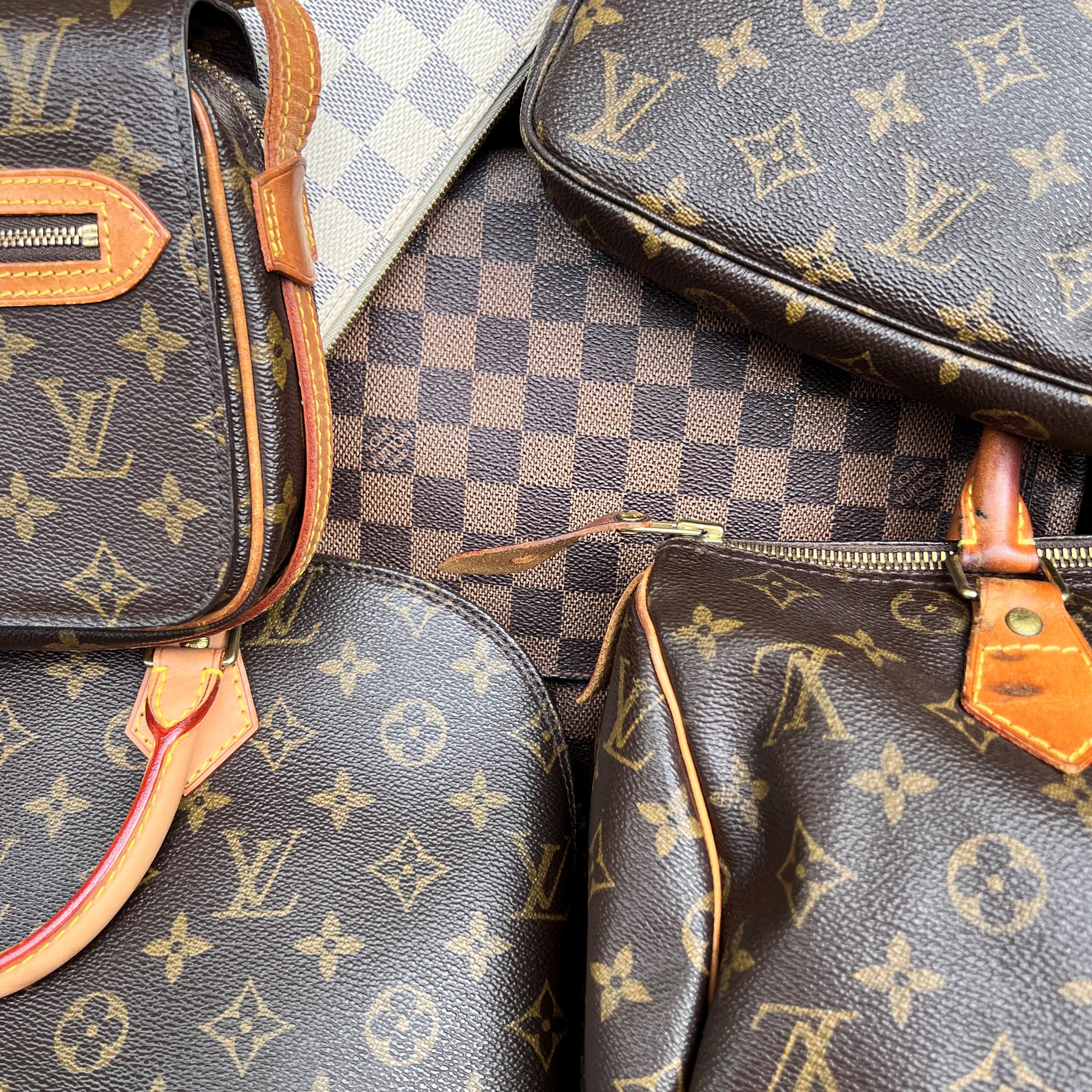
- Value retention: Icons like Speedy, Neverfull, or the MCM Stark hardly lose any value. New fast-fashion items do so immediately.
Second-hand in the luxury segment
Especially with designer bags, the effect is greatest. A vintage model is not a compromise solution, but often the better original: built in a time when material and craftsmanship were not skimped on.
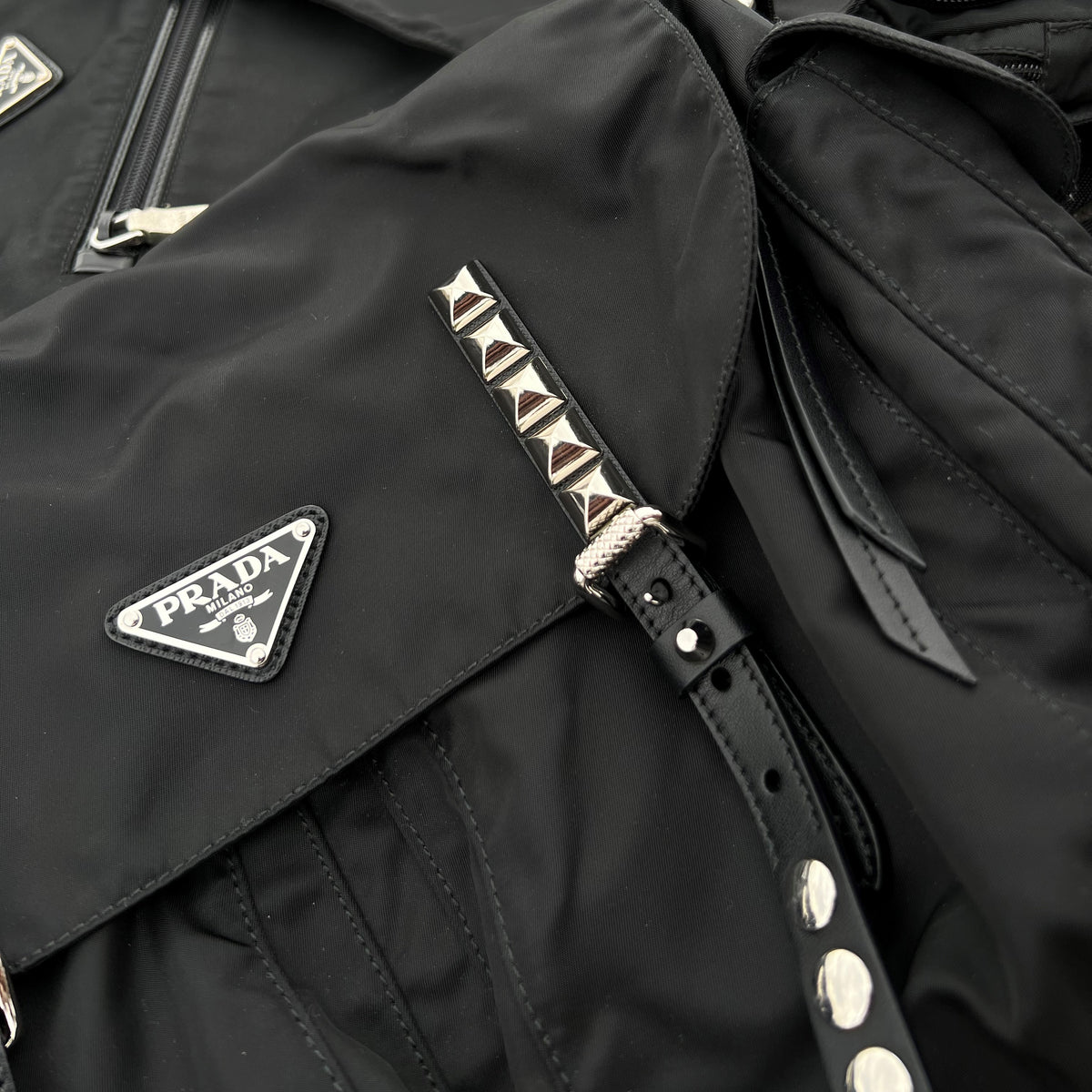
With us, each piece is unique and is checked before sale. You can read how such an authenticity check works using the example of Louis Vuitton, Gucci, or Prada.
View second-hand designer bags
Conclusion
The EU has just mandated what second-hand has always done: keeping clothes in circulation instead of burning them. For you, this means nothing more than what already applies – a vintage piece is the more sustainable, often also the more beautiful choice.


Leave a comment
This site is protected by hCaptcha and the hCaptcha Privacy Policy and Terms of Service apply.